
Controlled leaf distribution
Feed settings separate overlapping leaf and botanical pieces before inspection.
CPS-T series · Layered tea review
A specialist multi-stage path coordinates color, shape and foreign-material criteria for tea leaves, botanical pieces and selected seaweed.
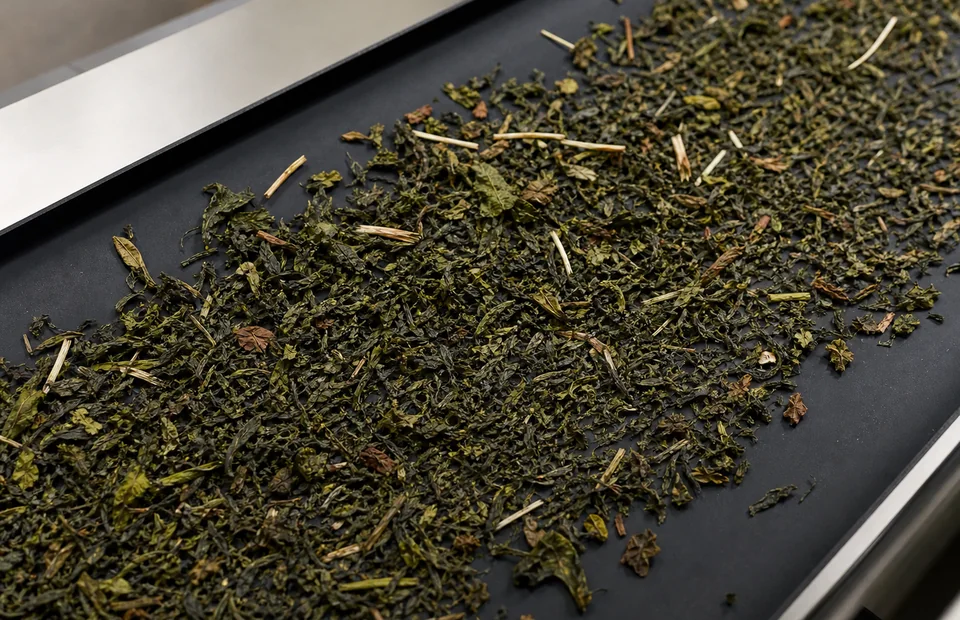
01 / Architecture function
Tea streams can contain colour variation, stems, flakes, broken leaf, shape differences and foreign material. The system configuration must coordinate these targets without treating every natural variation as reject.
Feed settings separate overlapping leaf and botanical pieces before inspection.
Configured imaging distinguishes accepted tonal range from discolouration and visible foreign material.
Stem, flake, broken leaf and other geometry criteria are defined from representative samples.
Multiple stages can coordinate primary cleaning and refinement where the validated process requires it.
02 / Published model
The supplied catalogue publishes one CPS-T model. COWPIGGY will add further models only after current supplier availability and specifications are confirmed.
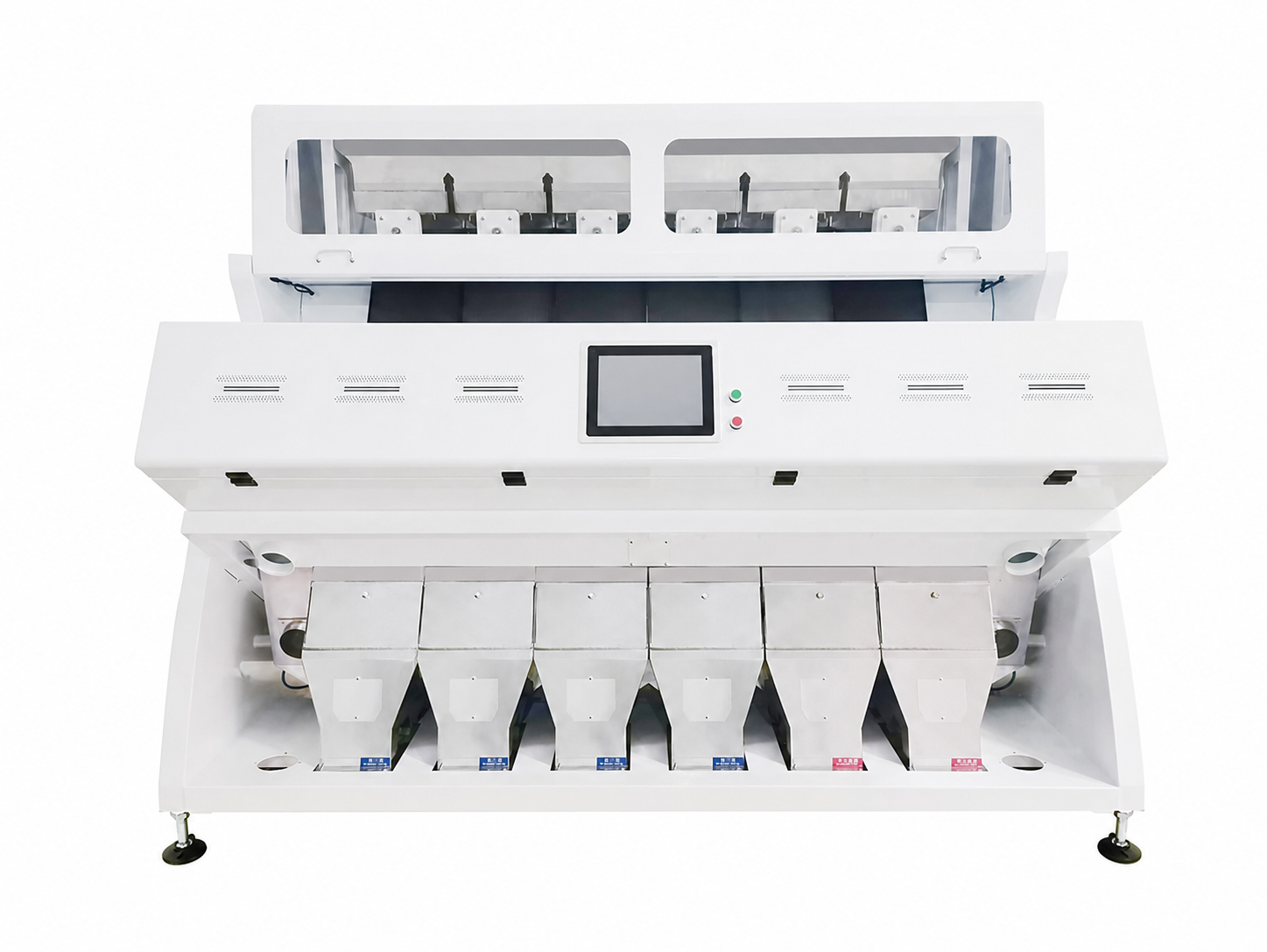
Open the model to review capacity, power, installation size and the functions that require project validation.
Published tea reference for coordinated colour, shape and foreign-material sorting. Material variety and grading objective must be confirmed with samples.
* Supplier catalogue reference based on green tea with impurity content of 3%–5%; actual results vary with tea variety, moisture, leaf condition, target grade and feed quality. † The catalogue field “layer number = 640” may be a translation or layout issue and must be confirmed before quotation. Optional infrared, remote and cloud functions are not implied for this model.
03 / Sorting functions
Tea sorting should protect the intended product character. Good leaf, acceptable natural variation and reject material must be documented separately.
Identify discolouration and tonal differences relative to the accepted tea grade.
Use representative stem samples to define the practical rejection boundary.
Review whole leaf, broken leaf, flakes and other geometry-related criteria.
Assess whether the target contamination has sufficient optical contrast.
Coordinate cleaning stages around recovery and final-grade requirements.
Confirm feed and rejection settings around fragility and acceptable carryover.
04 / Tea applications
Leaf geometry, roast, moisture, surface colour and foreign-material profile change the inspection settings and realistic output.
The published capacity reference is based on green tea under stated impurity conditions.
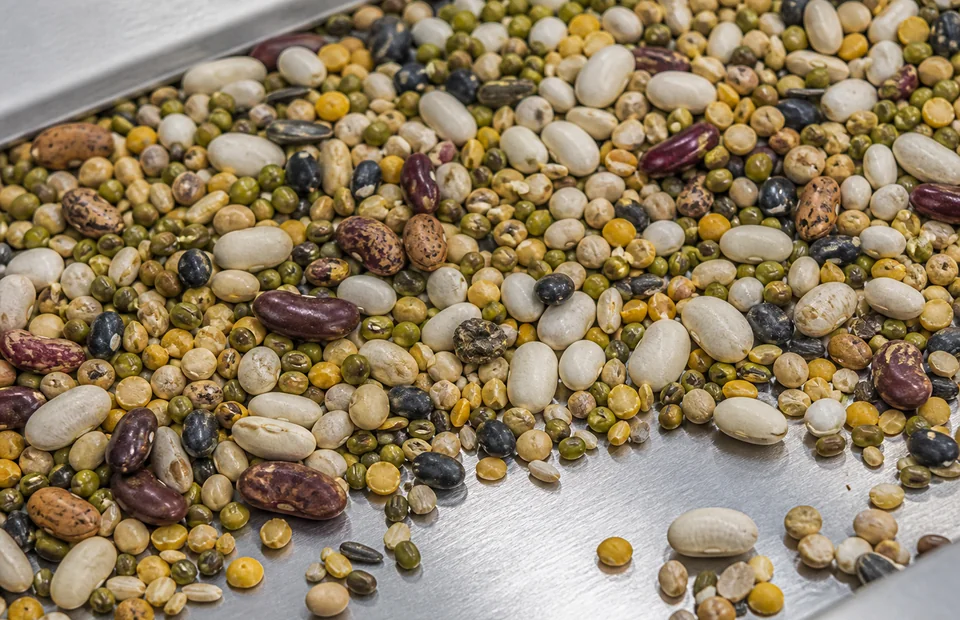
Different leaf forms require independent sample validation and rule setting.
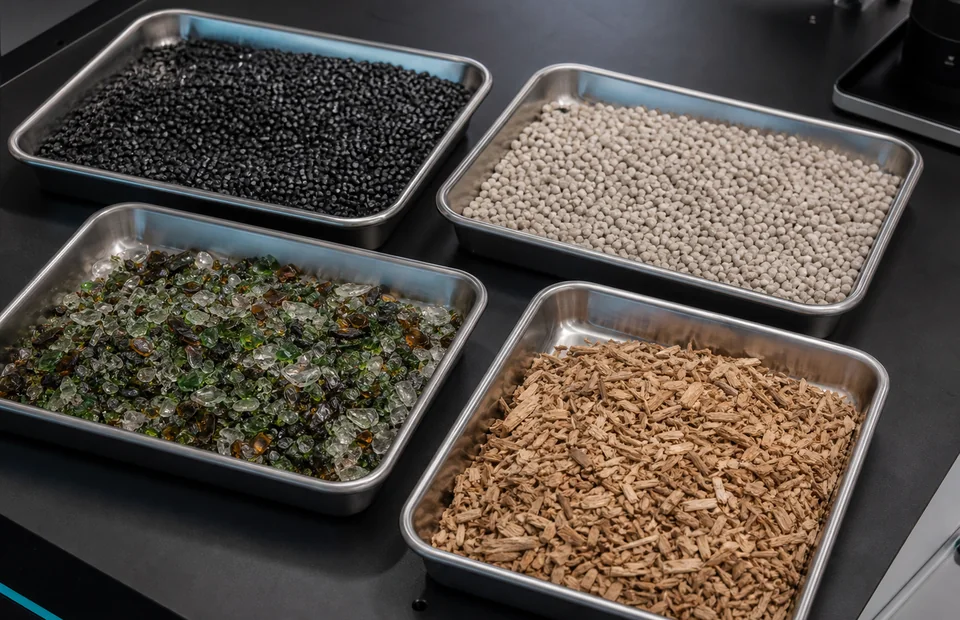
Feasibility depends on contrast, fragility, overlapping pieces and target grade.
05 / Sample brief
Representative samples are needed to distinguish intentional product variation from genuine reject.
Provide the normal incoming mix, not a hand-selected demonstration sample.
Show the colour, leaf shape and natural variation that must be protected.
Separate stems, flakes, discolouration and contaminants by category.
Define throughput, final grade, recovery and acceptable good-product loss.
Compare other architectures
Free-flowing crops, irregular supported products and heavy industrial fragments each require a different starting architecture.
 CPS-V series
Scale 12 reference models from 64 to 768 channels.
View 12 models → CPS-B series
Support irregular or fragile product through inspection.
View four models → CPS-M series
Specialist handling for large industrial fragments.
View two models →Send raw feed, accepted leaf, reject categories, tea variety and target output for a CPS-T configuration review.