
Large-particle handling
Feed and transfer geometry are reviewed around particle range, density and impact behaviour.
CPS-M series · Industrial fragments
Single- and double-deck references for heavy, dusty or large industrial fragments where feed stability and a clear inspection zone must be engineered together.
01 / Architecture function
Industrial material sorting is not only a camera problem. Feed impact, dust extraction, particle overlap, reject trajectory and machine wear determine whether the optical decision can be executed reliably.
Feed and transfer geometry are reviewed around particle range, density and impact behaviour.
Dust and light contaminants may require removal or extraction to keep the optical view usable.
Colour, brightness, shape and surface differences provide the starting separation signals.
A double-deck structure can support an additional separation stage where project testing justifies it.
02 / Model catalogue
The supplied catalogue does not publish throughput for CPS-M models. Project capacity must be confirmed from bulk density, particle range, feed depth, target separation and sample trials.
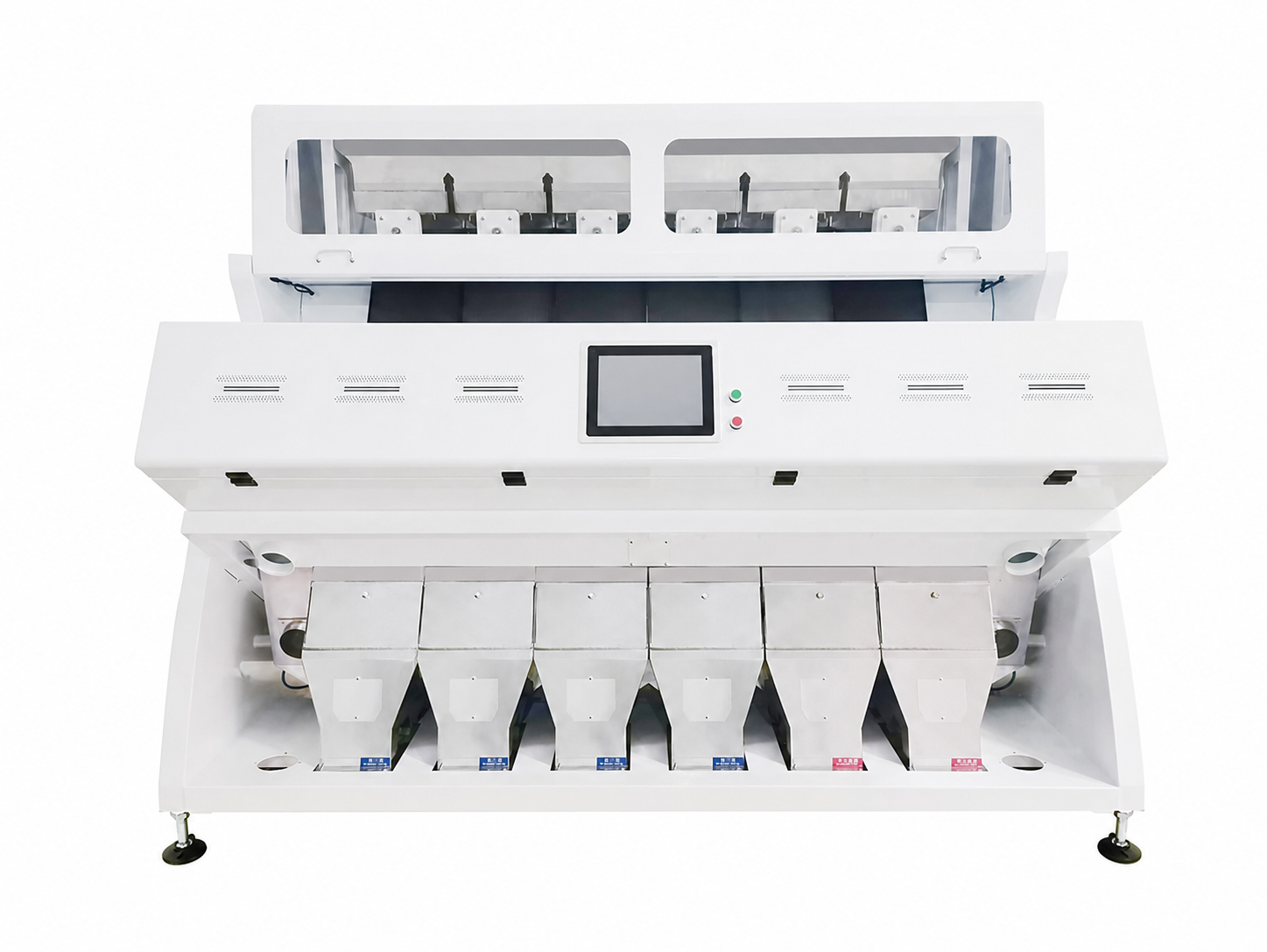
Open each model to compare deck structure, channels, power, weight and installation envelope.
Single-stage industrial platform for validated ore, glass, slag and related material streams.
Double-deck specialist structure for projects that benefit from a second classification or cleaning stage.
No throughput values are published for these CPS-M references in the supplied catalogue. Infrared, X-ray, cloud functions, dust extraction and wear-protection details must be mapped to a confirmed model and final project scope. Do not infer mineral-separation performance without representative sample testing.
03 / Typical materials
The target fraction must show a measurable difference and remain physically separable at the planned feed rate.
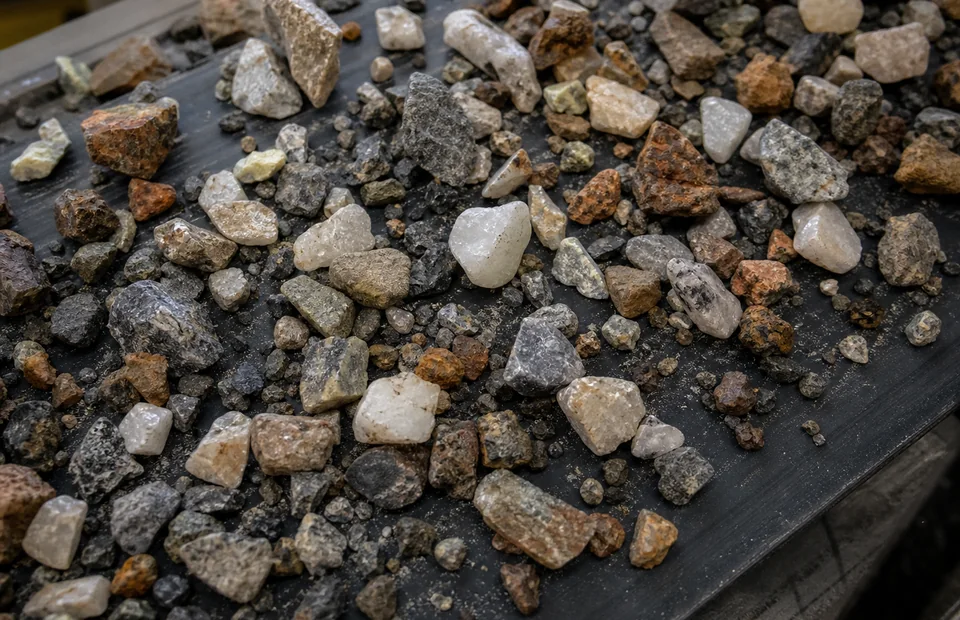
Quartz, feldspar, calcite and other streams with visible contrast.
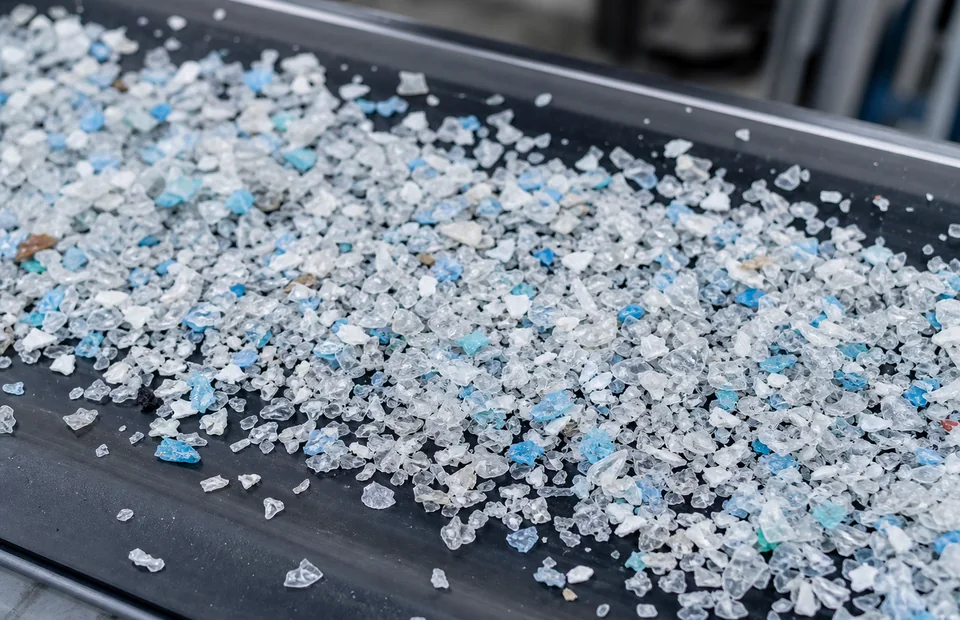
Selected glass, plastic and visible mixed-material fractions.
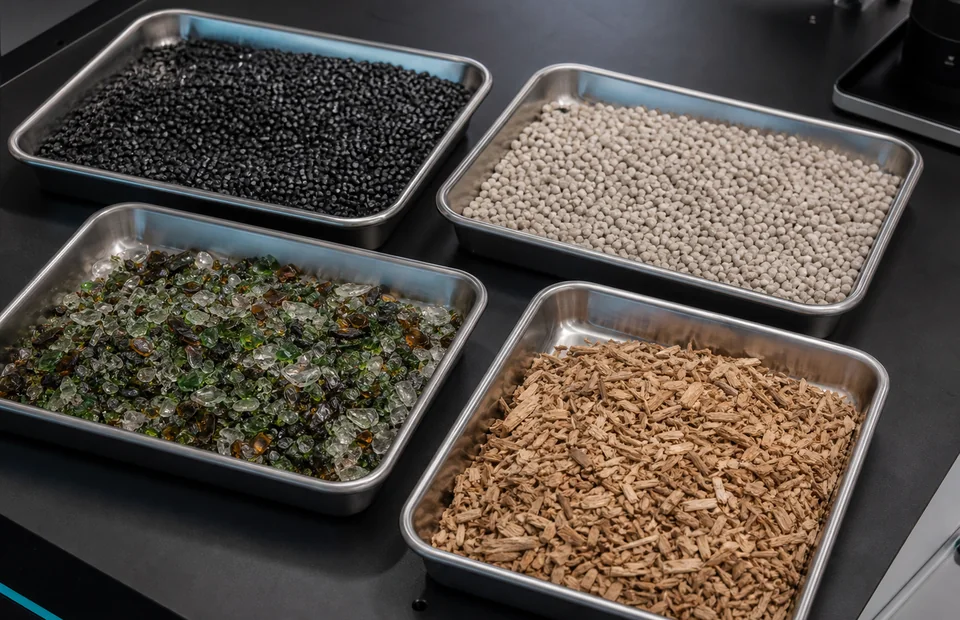
Heavy fragments where dust, wear and separation trajectory are reviewed.
04 / Project evidence
Industrial optical sorting must begin with a representative feed sample and a realistic acceptance definition.
Provide minimum, typical and maximum particle dimensions plus bulk density.
Show accepted and reject material under representative surface conditions.
Describe fines, moisture, light contaminants and extraction already available.
Set recovery, purity, throughput and acceptable good-product carryover.
Compare other architectures
Smaller free-flowing particles may suit a chute, while fragile products and tea require different presentation.
 CPS-V series
Scale 12 reference models from 64 to 768 channels.
View 12 models →CPS-B seriesSupport irregular or fragile product through inspection.
View four models →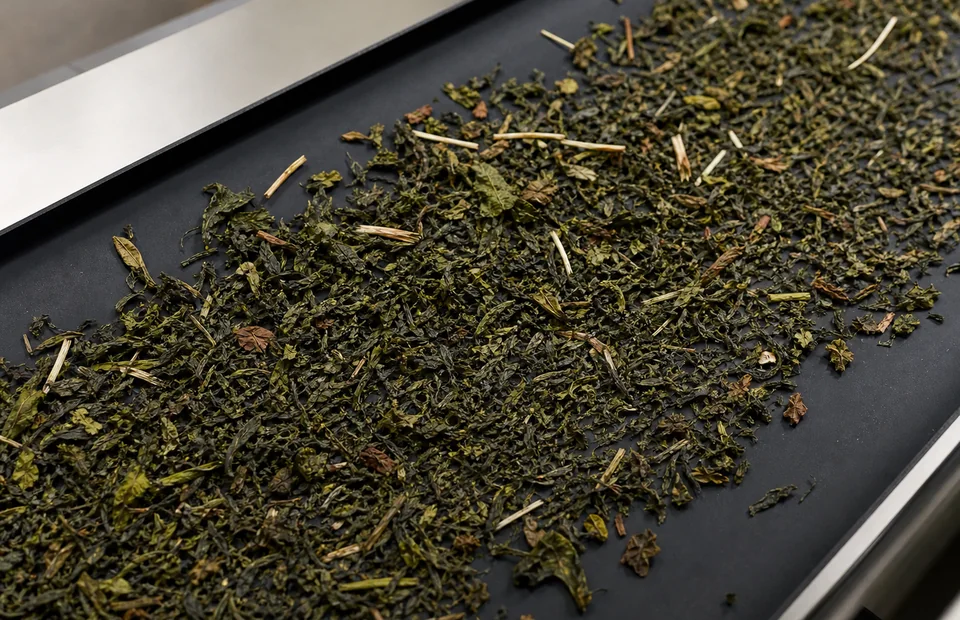 CPS-T series
Coordinate colour, shape and foreign-material criteria.
View reference system →Send representative feed, accepted and reject samples, particle range and target output for feasibility review.