
Receiving, buffer movement and line replenishment.
The compact chassis suits routine pallet transfers where a counterbalance truck would add unnecessary size and cost.
Horizontal pallet transport
A compact walkie truck for low-intensity pallet movement between receiving, staging, production and dispatch—where lift height is not the primary job.
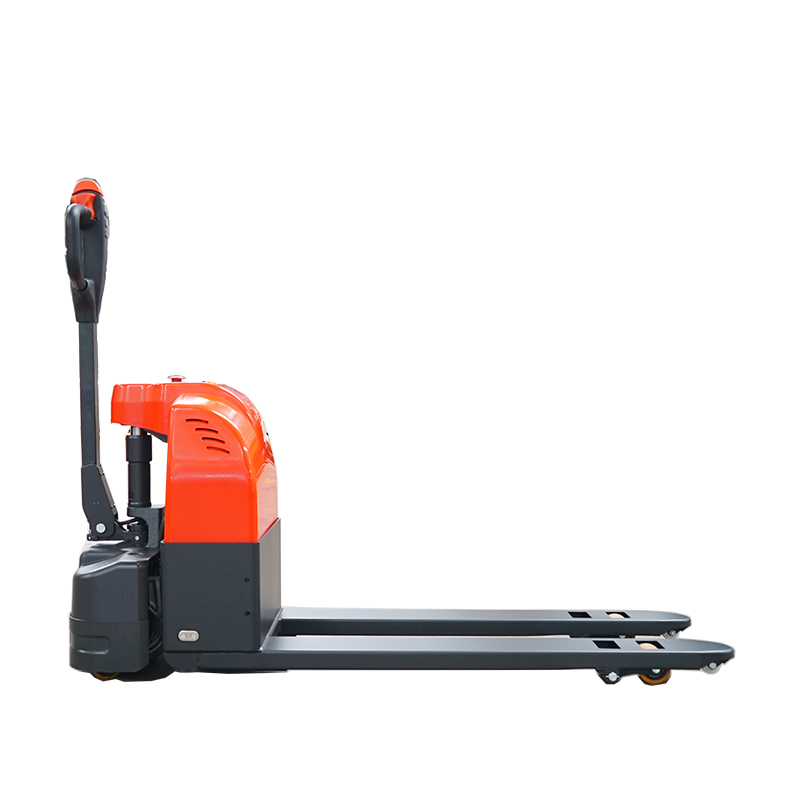
01 / Application fit
This truck handles horizontal transfer and low fork lift only. It is a practical fit when pallets remain at floor or dock height and the route is relatively short.
The compact chassis suits routine pallet transfers where a counterbalance truck would add unnecessary size and cost.
Choose a stacker for raised storage, a reach truck for high racking or a ride-on platform family for sustained travel. Check ramps, thresholds and dock plates before selection.
02 / Task principle
The fork geometry must match the pallet entry while the route must accommodate the loaded truck and operator.
Confirm fork spacing, pallet openings and load condition.
Raise only enough for safe transfer rather than storage stacking.
Turning space, gradients, doorways and pedestrian traffic set the real fit.
Position the pallet at staging, line-side or dispatch and exit cleanly.
03 / Reference features
The reference truck prioritises a small footprint and uncomplicated charging.
The supplier describes onboard charging for greater day-to-day autonomy.
Automatic lift cut-off is intended to protect battery life at low voltage.
Additional support wheels contribute to operating stability.
Two reference overall widths support different pallet or fork arrangements.
The operator walks with the truck, suitable for shorter internal transfers.
Wheel compound, corrosion protection, temperature and zone access remain project-specific.
04 / Reference specification
Confirm actual pallet size, load distribution and operating route before ordering.
| COWPIGGY model | CPH-PT15 |
|---|---|
| Rated capacity | 1.5 t |
| Drive-wheel size | Ø220 × 70 mm |
| Overall width | 574 / 705 mm |
| Aisle width | 1,950 mm for 800 × 1,200 pallet along forks, including stated 200 mm safety clearance |
| Turning radius | 1,460 mm |
| Travel speed | 4.2 / 4.6 km/h, loaded / unloaded |
| Gradeability | 4 / 10%, loaded / unloaded |
| Battery reference | 2 × 12 V / 64 Ah |
| Charging | Built-in charger described by supplier |
05 / Project configuration
Small site details determine whether a nominally suitable vehicle works safely and efficiently.
Confirm dimensions and entry direction.
Map every transition.
Check whether walkie operation is appropriate.
Identify conditions that change materials or maintenance.
06 / Selection brief
A route drawing and pallet photo usually answer more than a capacity request alone.
Start my fleet brief ↗Include pallet dimensions, load centre and stability.
Distance, narrowest doorway, turning points and staging layout.
Surface, gradients, dock plates, thresholds and drainage channels.
Trips per hour, shift length and walking distance for the operator.
Temperature, moisture, cleaning and indoor/outdoor exposure.
Related vehicles
Select the next family when the pallet journey includes stacking or high racks.
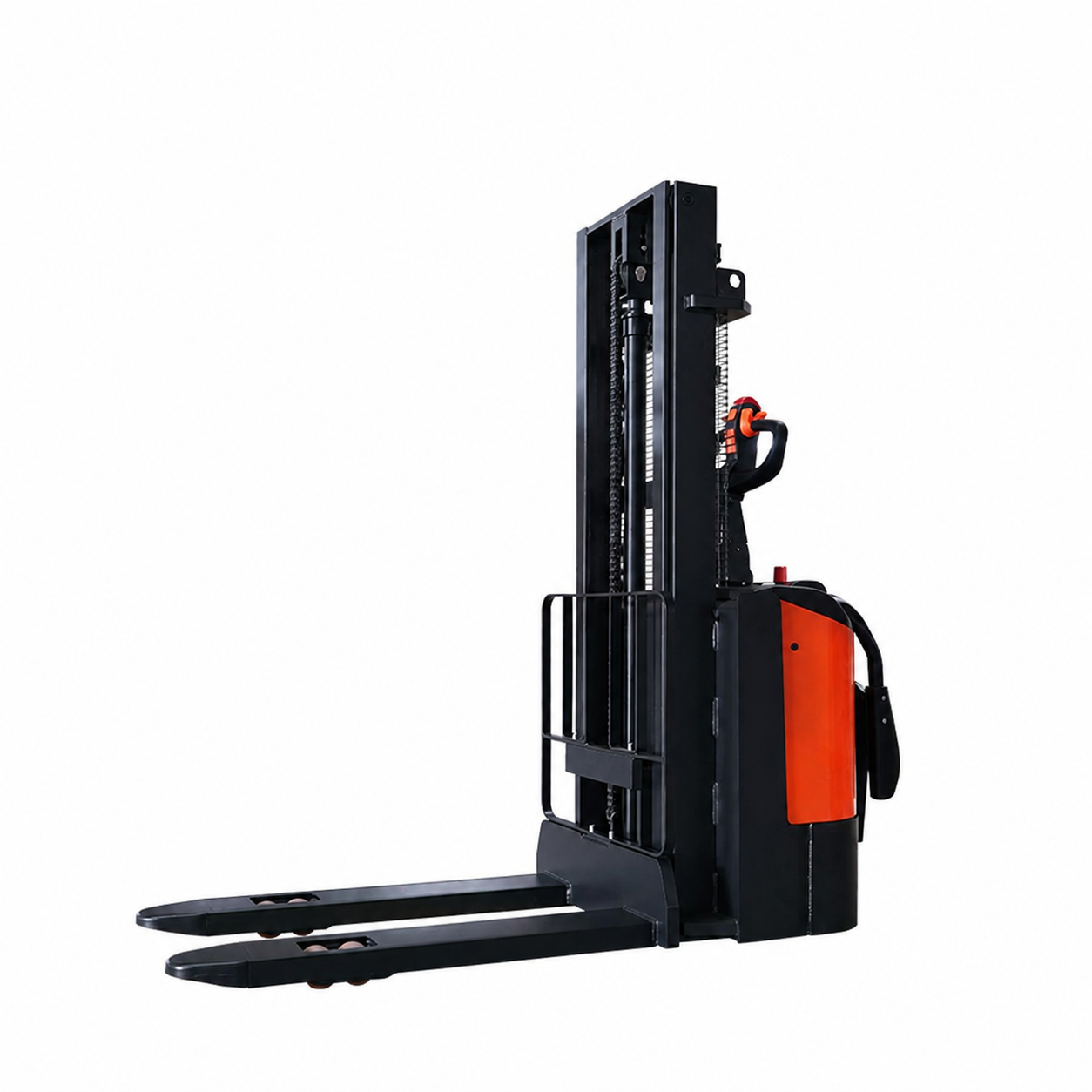 Low-medium lift
Lift pallets into low and medium storage positions.
View full details →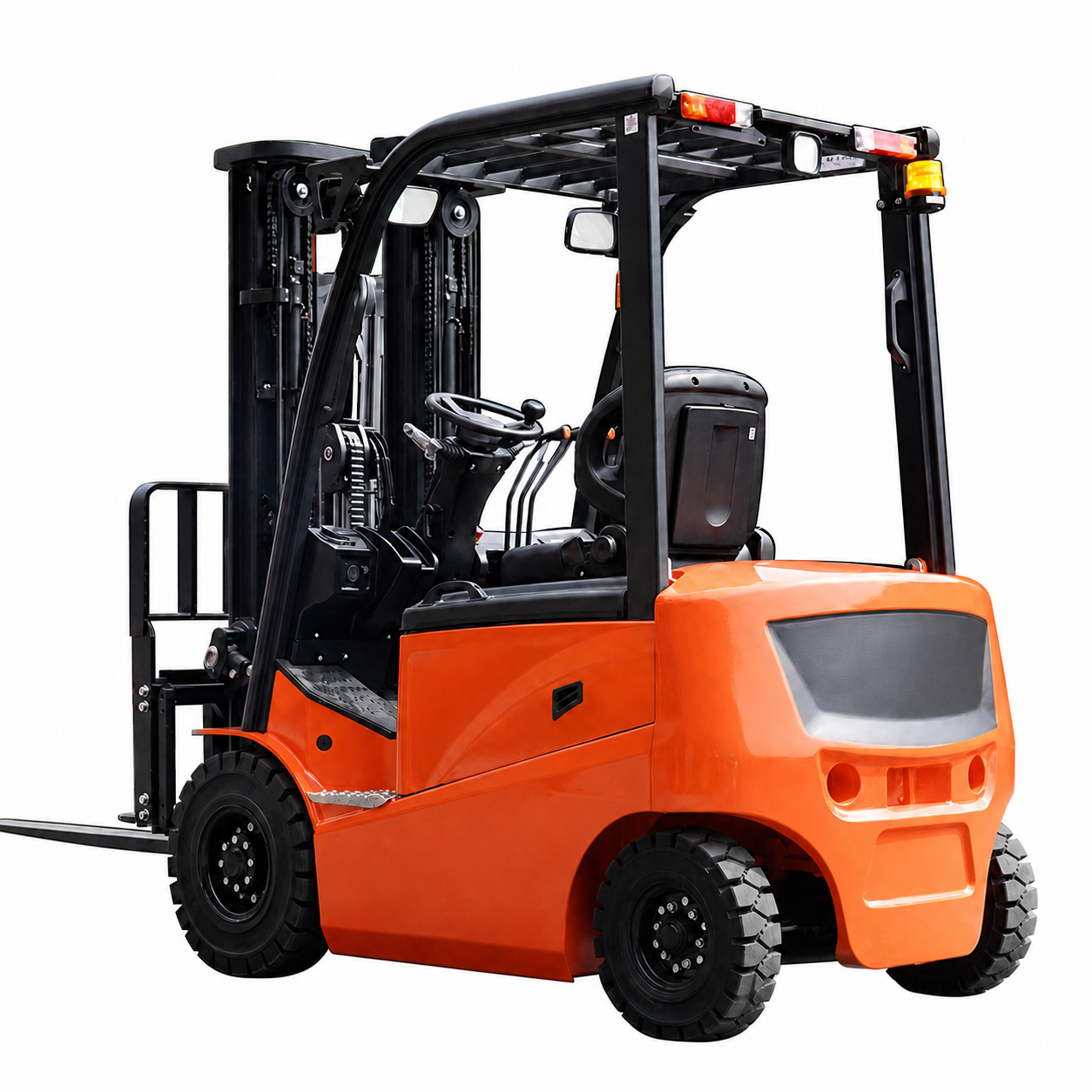 General purpose
Free approach for loading, production and yard tasks.
View full details →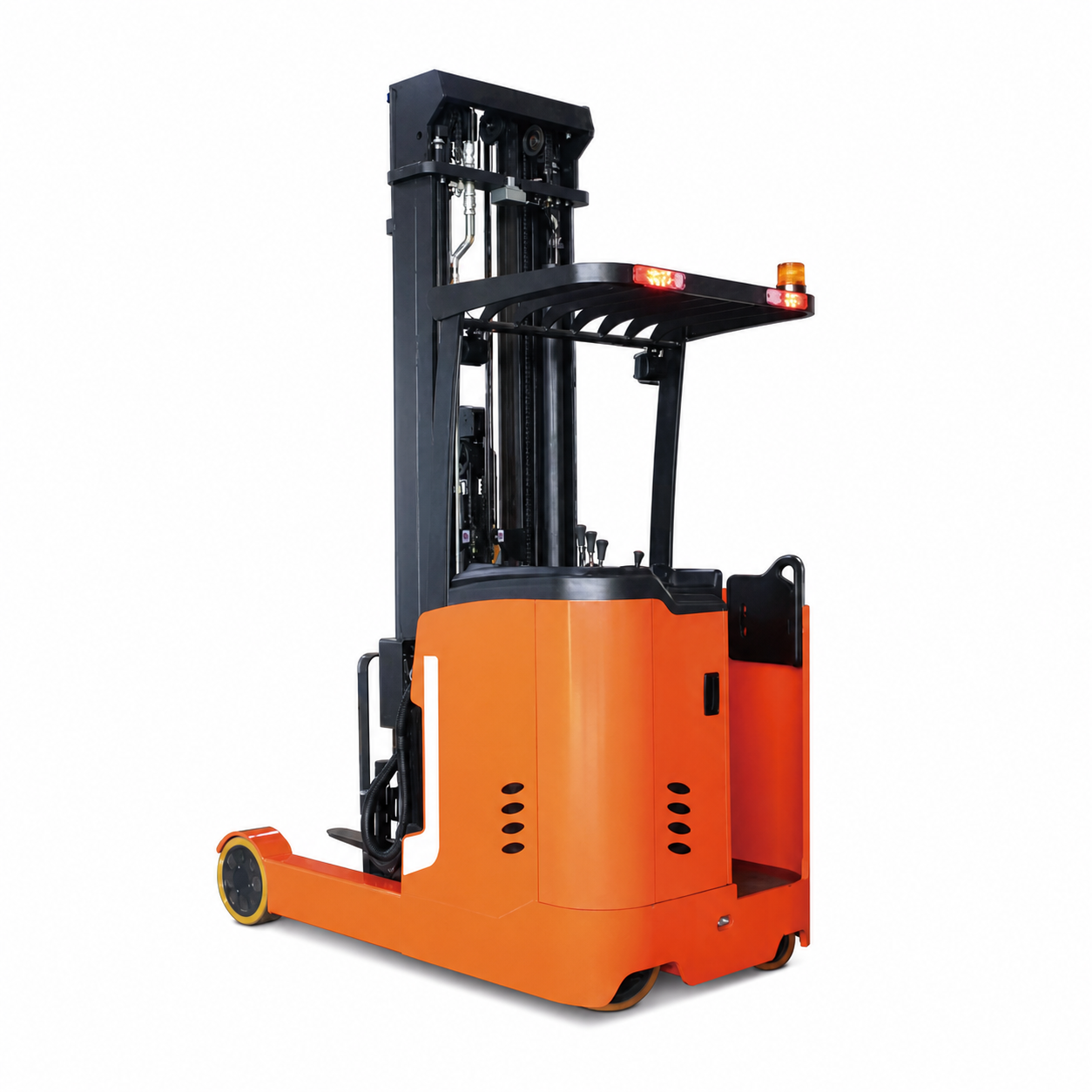 Complete range
Compare the full pallet journey.
Return to product range →Send the pallet, distance, floor and shift data for a practical task review.